
Strengthen Digital Evidence Access Controls with SSO and MFA
SSO simplifies user authentication through enterprise identity providers, while MFA adds an extra verification step to strengthen access security for digital evidence systems.

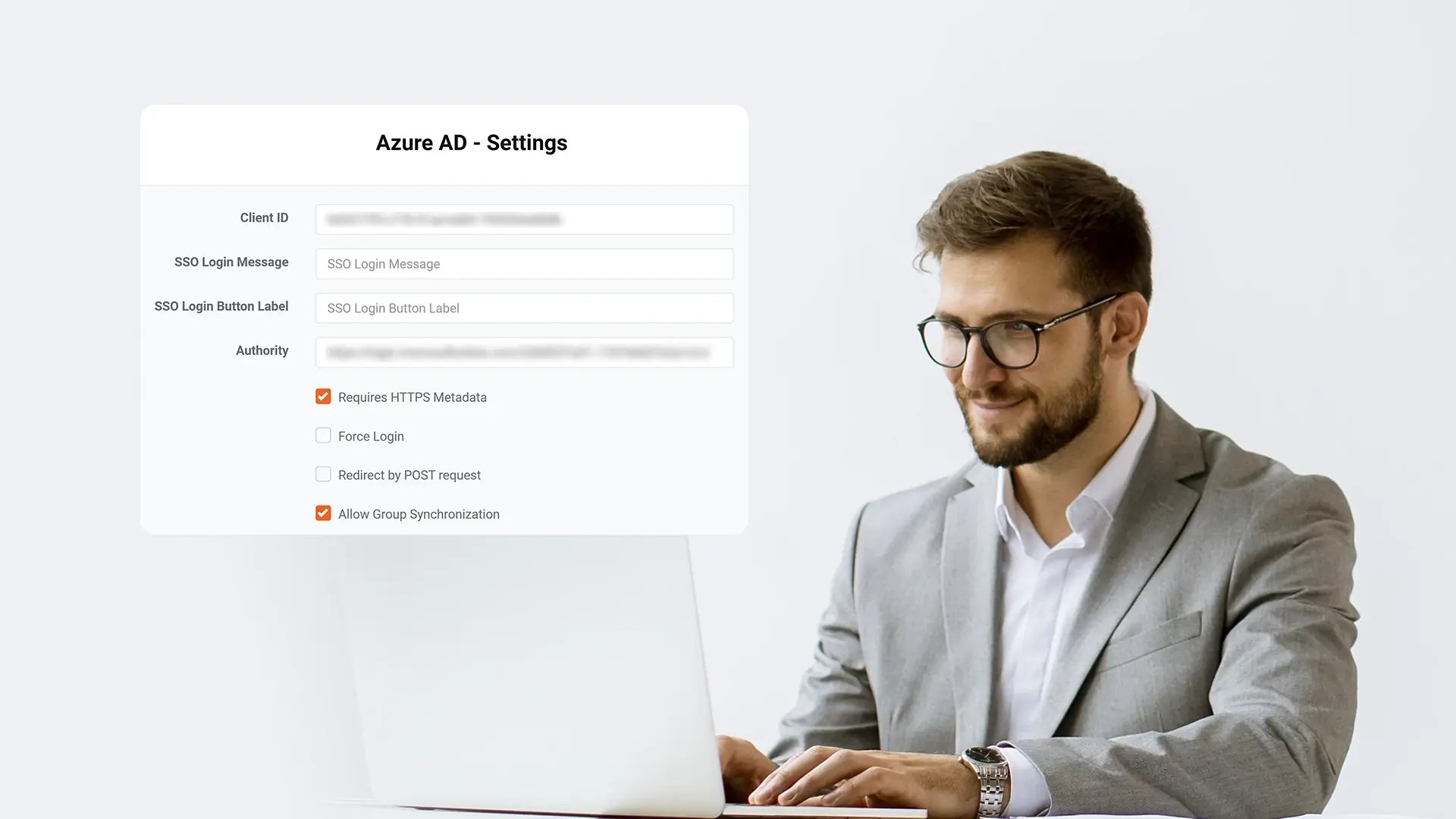
Single Sign-On Access
Enables users to authenticate using organizational credentials through integrated identity providers.

Standards-Based SSO
Supports SAML 2.0 for interoperability with organizational identity and access management systems.
Centralized Identity Control
Manages user access through the organization’s identity provider to support consistent authentication governance.
Multi-Factor Authentication
Requires additional verification beyond passwords to strengthen user authentication when accessing sensitive digital evidence.
Streamlined Access Through Single Sign-On
Single Sign-On enables users to access digital evidence systems using a single set of organizational credentials managed through an identity provider. This reduces the need for multiple logins while maintaining controlled and authenticated access to evidence.
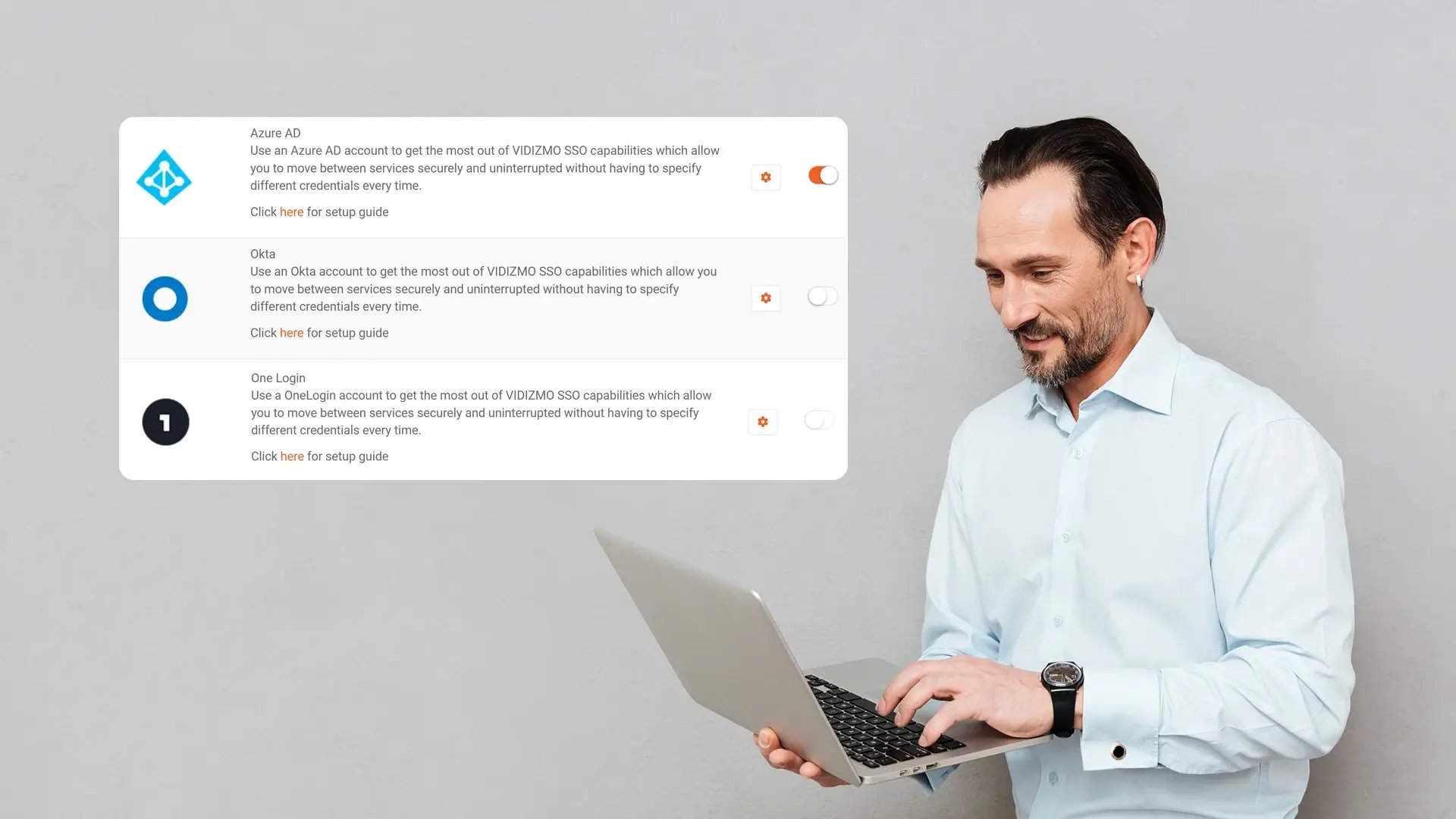
Centralized Authentication and Access Management
By tying user authentication to a centralized identity provider, access to digital evidence can be managed consistently across the organization. Changes to user status, such as onboarding or departure, are reflected centrally, supporting controlled access management.
Additional Verification for Sensitive Evidence Access
Multi-Factor Authentication introduces a second verification step beyond passwords when users sign in. This additional requirement strengthens authentication for users accessing sensitive digital evidence without altering existing access roles.

Reduced Risk from Compromised Credentials
MFA helps mitigate risks associated with stolen or compromised passwords by requiring an additional verification factor during login. This reduces reliance on passwords alone when accessing digital evidence systems.
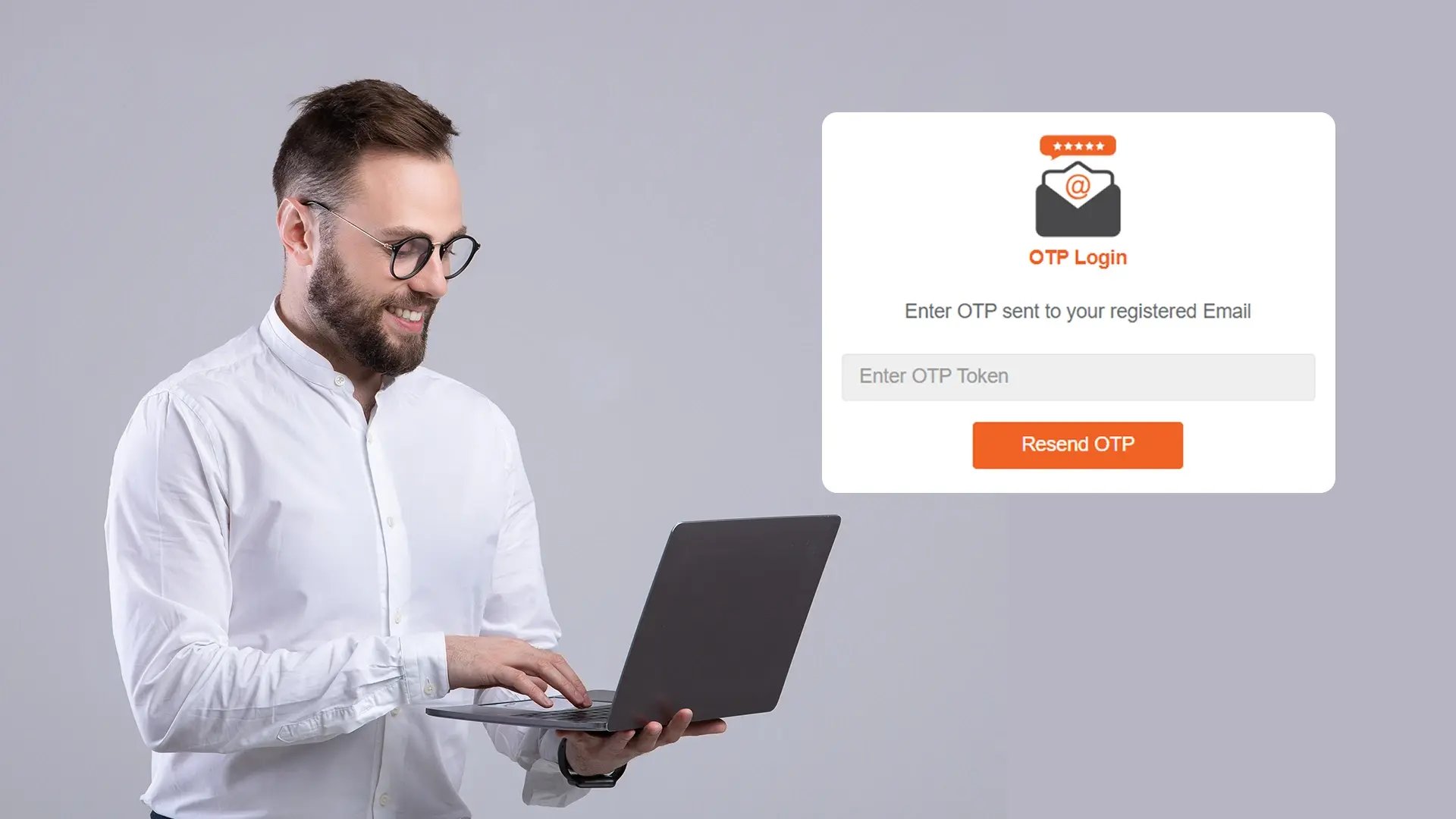
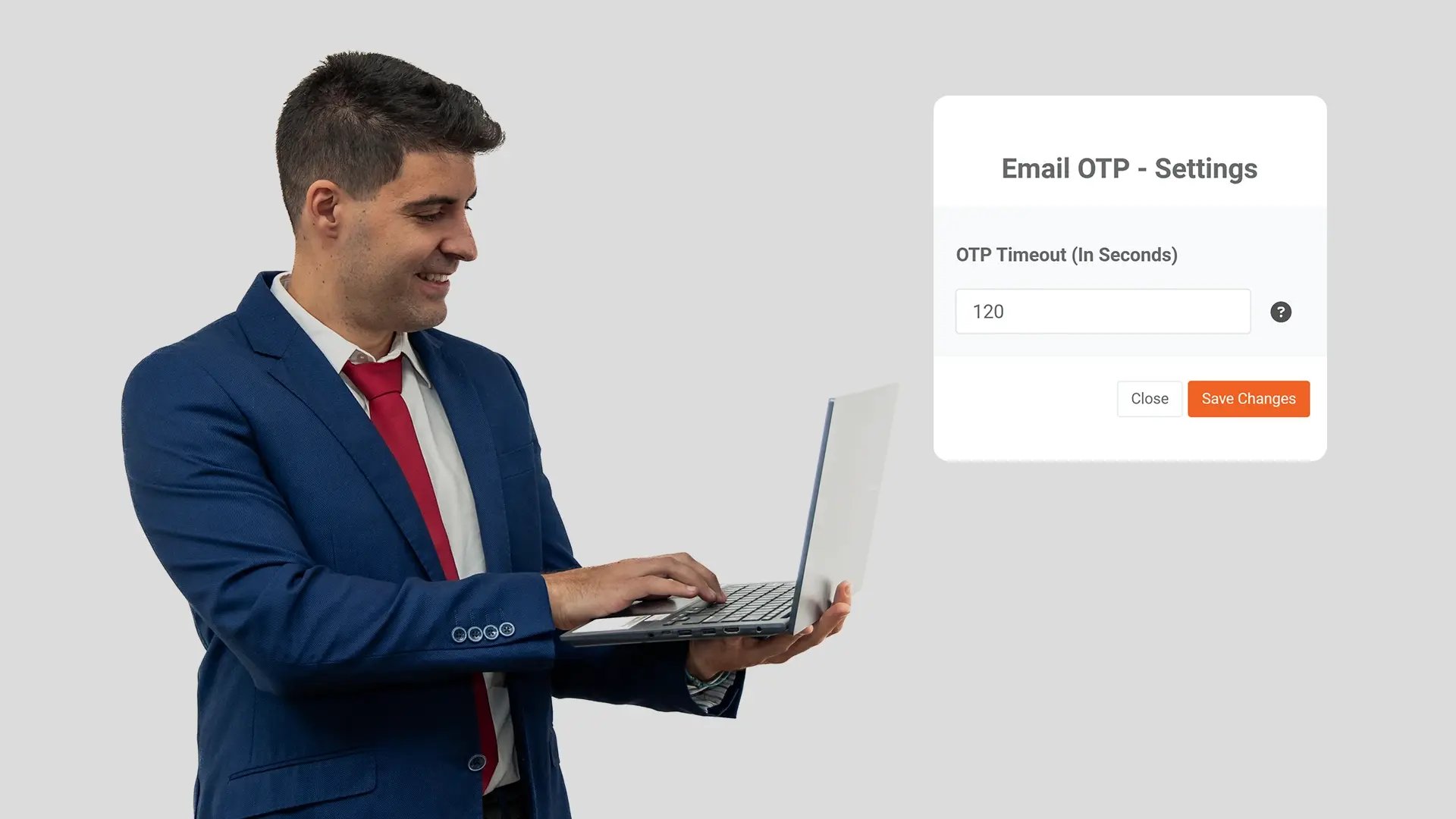
Secure Authentication with Email-Based Verification
Email-based one-time passcodes provide a simple and accessible method for multi-factor authentication. This approach adds an extra layer of verification while remaining practical for users across investigative, administrative, and legal roles.

Collect
Get evidence into your system. Upload files from any device or pull them in automatically from connected sources like bodycams or cloud storage.

Store
Keep all your evidence in one secure, central location. Organize it by case and control who can access it, with protection for sensitive information.

Review & Process
Work with your evidence. Use tools to search, analyze, annotate, and redact videos and documents right within the platform with your team.

Share & Preserve
Close the loop. Share finalized evidence securely with prosecutors or other agencies or archive it to meet long-term legal requirements.
