
By Nohad Ahsan on April 27, 2026
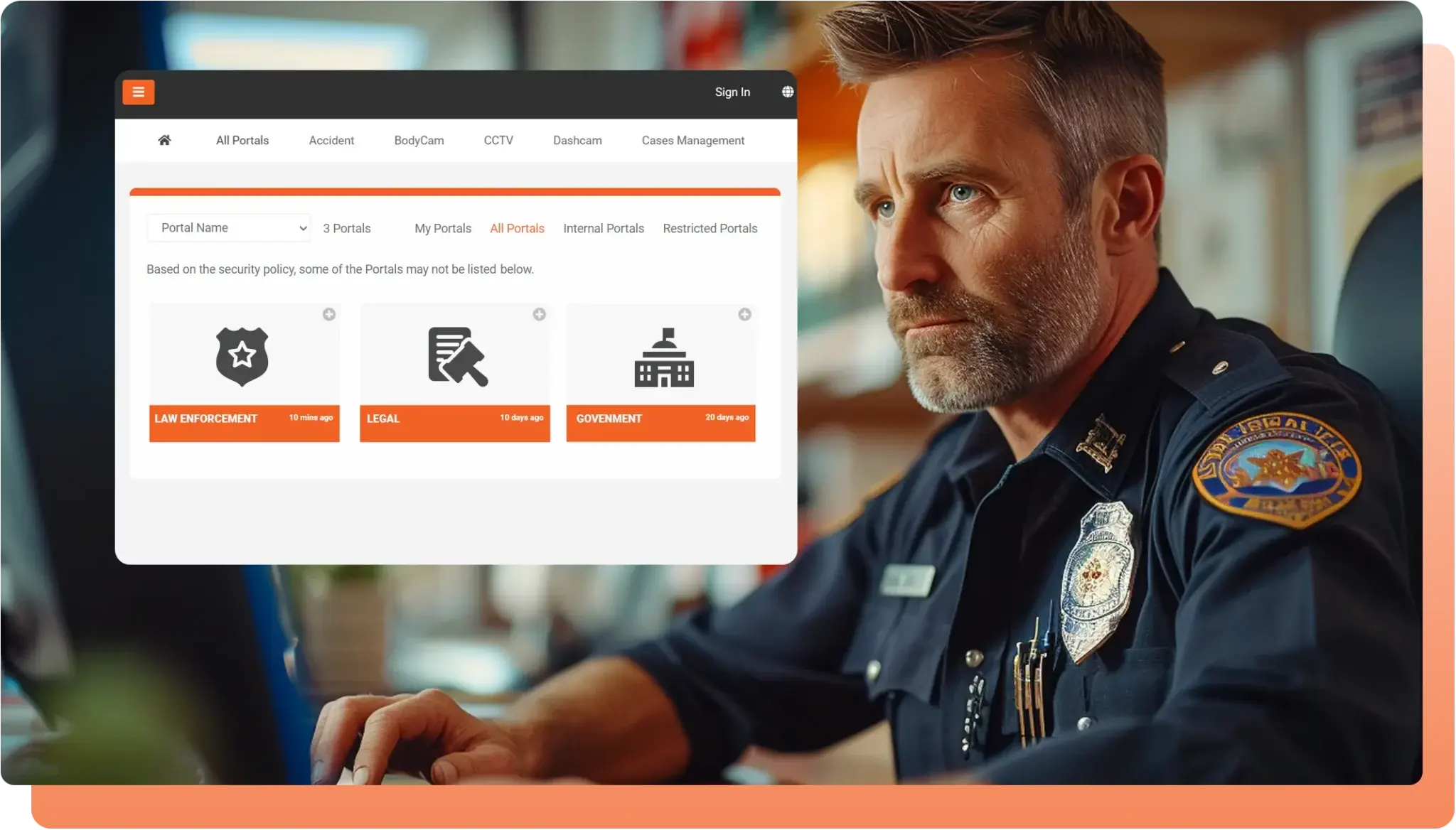
A centralized digital evidence management system ensures interagency collaboration, enabling law enforcement agencies to efficiently store, analyze, and share digital evidence across agencies.
Crime doesn’t stop at jurisdictional borders. With cybercrime, drug trafficking, and organized networks operating seamlessly across states and countries, effective law enforcement today depends on strong interagency collaboration. Agencies must be able to share information, coordinate investigations, and exchange digital evidence quickly and securely.
Yet many agencies still struggle with communication gaps, slow evidence-sharing processes, and incompatible systems. In the past, sharing case details often required physical travel, phone calls, or manual exchange of files—delaying investigations and increasing the risk of lost or incomplete information.
Today, the digital era has transformed how law enforcement cooperates. Real-time communication tools and digital evidence management systems (DEMS) now allow agencies to share case files, coordinate across jurisdictions, and access critical evidence instantly. These systems support secure, streamlined collaboration while maintaining strict compliance and protecting the chain of custody for digital evidence.
This blog explores the challenges agencies face when sharing evidence across jurisdictions and how Digital Evidence Management System empowers law enforcement to collaborate more efficiently and effectively.
The Need for Interagency Collaboration in Law Enforcement
Modern crime is more sophisticated, tech-driven, and interconnected than ever, making interagency collaboration essential. While agencies have always worked across borders, today’s criminals operate through advanced digital networks, encrypted communication, and multi-jurisdictional operations that no single department can tackle alone.
Crimes such as human trafficking, drug trafficking, cybercrime, and terrorism now require coordinated efforts among local, state, and federal agencies. The capture of Joaquín “El Chapo” Guzmán is a powerful reminder of how cross-border cooperation can make or break an investigation.
As crime evolves, so does the evidence needed to solve cases. Digital evidence—from emails and social media logs to surveillance videos—plays a central role in modern investigations. However, sharing this evidence across agencies is often slowed by incompatible systems and manual processes, complicating investigations and delaying justice.
With crime becoming increasingly global and digital, seamless interagency collaboration is no longer optional—it’s a necessity for effective law enforcement.
Challenges In Interagency Collaboration in Law Enforcement
Interagency collaboration is crucial for effective law enforcement today. However, it is not without its challenges. Here are a few challenges that hinder collaboration between law enforcement agencies:
Fragmented Communication Systems
Agencies often use incompatible tools—local departments may rely on basic email systems, while federal agencies use encrypted communication platforms. These gaps create delays, missed intelligence, and inconsistent information flow.
The 2023 U.S. Capitol riot highlighted this issue. The Senate review found that intelligence was not shared effectively among the Capitol Police, FBI, and DHS, resulting in conflicting commands and operational breakdowns.
Physical Evidence Transfer Risks
Traditional evidence exchange often relies on physical media—DVDs, hard drives, USBs—which introduces serious risks. Evidence can be lost, damaged, corrupted, or tampered with in transit. These failures can compromise the chain of custody for digital evidence, rendering it unusable in court.
Agencies need secure evidence sharing solutions that eliminate these vulnerabilities and allow for safe, real-time digital evidence sharing without relying on fragile physical storage.
Inconsistent Protocols and Procedures
Each law enforcement agency has its own standards for collecting, analyzing, and sharing evidence. These inconsistencies make interagency coordination slow and error-prone.
For example, one department may prioritize digital forensics while another emphasizes witness statements. Without standardized processes, critical evidence can be overlooked, leading to delays and investigative gaps.
A unified framework—supported by modern tools like a digital evidence management system—is essential to streamline cross-agency workflows and reduce miscommunication.

How Digital Evidence Management Systems Enhance Interagency Collaboration in Law Enforcement
To overcome communication gaps and evidence-sharing challenges, agencies need tools that support secure, fast, and consistent collaboration. A digital evidence management system (DEMS) provides exactly that—offering a unified, secure platform that strengthens coordination across jurisdictions. Here’s how DEMS improves interagency collaboration:
Centralized Platform
A Digital Evidence Management System centralizes the storage, management, and access of digital evidence, eliminating the risks associated with physical media like USBs or DVDs.
With a shared platform, every participating agency can view the same evidence in real time, reducing delays and ensuring that all teams work with accurate, up-to-date information. This dramatically strengthens cross-agency coordination and eliminates many of the challenges of physical evidence storage.
Role-Based Access Control
Secure collaboration requires strict control over who can view or modify sensitive evidence.
Role-based access control ensures each agency or user has access only to the materials relevant to their role. This protects sensitive information, helps maintain the digital evidence chain of custody, and prevents unauthorized exposure.
RBAC is especially important in multi-jurisdictional cases where different agencies may have different levels of authority. By granting targeted access, Digital Evidence Management System builds trust and safeguards the integrity of the investigation while improving secure evidence sharing.
Multiple Portals
A modern Digital Evidence Management Software can support multiple portals, enabling each agency—or even each division—to maintain its own workspace while collaborating seamlessly with others.
This is ideal for large operations involving federal, state, and local teams. Each agency can manage its own evidence but still contribute to the shared investigation without compromising internal workflows.
Real-Time Data Sharing and Updates
Real-time digital evidence sharing allows agencies to upload, review, and respond to new information instantly.
This eliminates slow communication methods like email or physical transfers and ensures that all investigators have current, synchronized data for collective decision-making.
With real-time updates, agencies remain aligned at every stage of the case, significantly enhancing operational efficiency.
Integrations
A strong Digital Evidence Management System integrates with existing law enforcement tools—like CAD/RMS systems, body-cam platforms, and forensic software—creating a unified evidence management system.
Integrations reduce workflow friction and remove bottlenecks caused by fragmented processes, allowing agencies to work as one coordinated unit.
Limited Sharing
Even with digital systems, unsecured sharing—via email or public cloud links—remains a major risk.
DEMS solves this with secure, time-bound tokenized links that ensure evidence is accessible only to authorized individuals for a limited time. Once the link expires, access is revoked automatically.
This controlled method maintains security, supports compliant audits, and significantly improves cross-agency trust.
Key Takeaways
-
Secure Digital Evidence Sharing Is Essential
Using secure evidence sharing methods protects sensitive data from unauthorized access or tampering and helps agencies maintain compliance with standards like CJIS and HIPAA. -
Centralized Platforms Strengthen Collaboration
A digital evidence management system provides a unified, secure space for storing and managing evidence across jurisdictions, improving coordination and information flow. -
Encryption Protects Confidential Data
Encrypting evidence at rest and in transit ensures confidentiality and reduces the risk of data corruption or breaches. -
Automated Chain of Custody Enhances Integrity
Automated tracking within DEMS maintains an accurate record of evidence handling, supporting a defensible digital evidence chain of custody. -
Role-Based Access Ensures Proper Controls
RBAC restricts access to authorized personnel only, safeguarding data integrity and preventing unnecessary exposure of sensitive evidence. -
Compliance Must Be Maintained
Ensure your DEMS aligns with relevant regulations such as CJIS and HIPAA to avoid legal liabilities and ensure proper handling of digital evidence. -
Real-Time Collaboration Reduces Delays
Real-time updates in DEMS allow agencies to access the latest evidence instantly, speeding up investigations and improving decision-making. -
Time-Bound, Tokenized Sharing Boosts Security
Limited-access links ensure evidence is shared only with intended recipients and for a defined time window—supporting auditability and accountability. -
AI Improves Efficiency
Integrating AI tools helps automate tasks such as redaction and analysis, reducing manual workload and improving the speed and accuracy of law enforcement evidence management. -
Data Privacy Must Stay a Priority
Always use platforms that support strong privacy controls and adhere to regional laws to prevent unauthorized access and reduce breach risks.
Ensuring Effective Digital Evidence Sharing
In today's world, secure and efficient digital evidence sharing is critical for law enforcement, legal professionals, and compliance officers. With the increasing volume of digital evidence, it is essential to adopt secure evidence-sharing platforms that maintain compliance with legal standards, preserve the chain of custody, and protect sensitive data.
By utilizing the right tools, such as digital evidence management systems, agencies can streamline collaboration, minimize risks, and ensure that all parties involved have timely access to vital evidence.
In conclusion, adhering to proper digital evidence sharing practices enhances the effectiveness of investigations and legal proceedings. Law enforcement and other professionals must prioritize secure, compliant methods to protect the integrity of evidence. Adopting a digital evidence management system provides agencies with the flexibility and security they need to handle today's digital challenges effectively.
Take Action Now: Ready to improve your digital evidence sharing? Try a free trial of our digital evidence management system today and experience how easy it is to securely manage, share, and collaborate on evidence across multiple agencies. Don't let outdated practices compromise your work and embrace the future of secure evidence management.

People Also Ask
What is digital evidence sharing?
Digital evidence sharing is the secure transfer and access of digital files—such as videos, images, documents, and logs—between agencies or authorized individuals involved in an investigation. It ensures evidence integrity and preserves the digital evidence chain of custody.
Why is secure evidence sharing important in law enforcement?
Secure evidence sharing prevents unauthorized access, tampering, and data breaches. It protects sensitive information, supports legally defensible investigations, and strengthens cross-agency collaboration.
How does a digital evidence management system improve evidence sharing?
A digital evidence management system provides a centralized, secure platform for storing and sharing digital evidence in real time. It ensures compliance, maintains detailed audit logs, and streamlines workflows across jurisdictions.
What are the risks of poor evidence sharing?
Poor evidence sharing can lead to data loss, breaches, and broken chain of custody. This may result in evidence becoming inadmissible in court, harming case outcomes and damaging investigative credibility.
What is the chain of custody in evidence sharing?
The chain of custody is the documented history of evidence handling—from collection to courtroom presentation. It ensures the evidence remains intact, untampered, and legally admissible.
How can compliance be ensured when sharing digital evidence?
Compliance requires secure platforms that follow standards such as CJIS, HIPAA, and GDPR. Encryption, RBAC, and audit trails ensure that sensitive data is accessed only by authorized personnel.
What are the best practices for sharing digital evidence securely?
Best practices include encrypted sharing, role-based access control, maintaining a complete chain of custody, and using secure evidence sharing tools like time-bound tokenized links.
How can law enforcement agencies collaborate effectively using digital evidence?
Agencies collaborate more effectively using DEMS, which enables real-time evidence access, centralized storage, audit logs, and consistent processes across jurisdictions.
What is the role of AI in digital evidence sharing?
AI improves efficiency by automating evidence classification, redaction, and analysis—supporting faster, more accurate collaboration within modern evidence management system workflows.
Why should agencies move from physical evidence sharing to digital evidence sharing?
Digital sharing reduces the challenges of physical evidence storage, prevents loss or damage, accelerates communication, and ensures secure, compliant collaboration across large-scale investigations.
About the Author

Jump to

From CDs to Cloud: Modernizing Evidence Management for Law Enforcement

The Best Method: Cloud vs. Physical Storage for Digital Evidence


No Comments Yet
Let us know what you think