

By Rafay Muneer on February 2, 2026, ref:
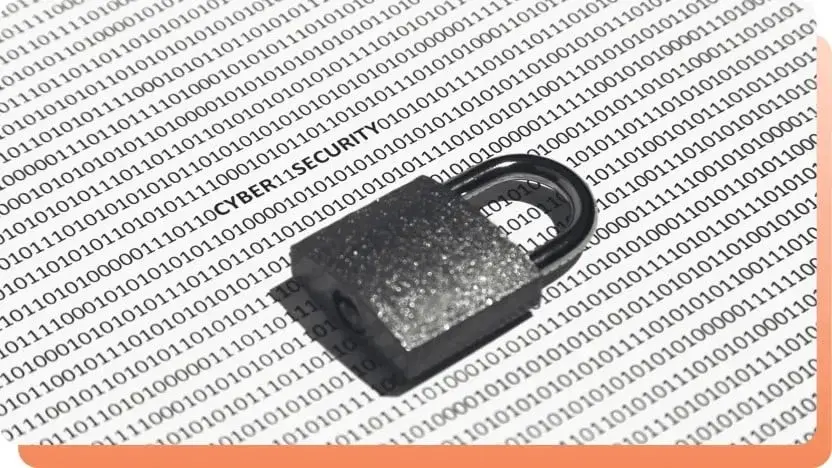
Encryption is an organization's strongest defense against data breaches. Here is what encryption is and why it is so important.
Data breaches aren’t rare threats anymore—they’re everyday risks. Whether you're a legal professional safeguarding confidential files, a law enforcement officer handling sensitive case information, or an IT security expert protecting critical systems, one question remains: How do you keep your organization’s most valuable data safe?
The answer begins with encryption.
Even with strong IT infrastructure, skilled staff, and secure networks, unencrypted data is vulnerable. A stolen laptop, an exposed server, or a compromised login can instantly reveal sensitive employee information, customer financial data, or proprietary business records. The consequences? Costly fines, legal liabilities, operational downtime, and long-term reputation damage.
Unfortunately, many organizations still depend on outdated security practices, unintentionally leaving openings for cybercriminals. Encryption fills that gap—it is one of the most effective ways to ensure data remains protected, even if it falls into the wrong hands.
So, what exactly is encryption, and why is it so essential for modern organizations?
This blog will walk you through everything you need to know.
The Insecurity of Data in the Digital Age
Organizations today handle enormous volumes of sensitive information—client records, financial data, internal communications, and confidential case files. Legal teams must protect privileged information, IT staff battle increasingly advanced cyber threats, and compliance officers face growing pressure to meet strict privacy regulations. The stakes have never been higher.
The numbers tell the story. In the first half of 2025 alone, 1,732 data compromises were publicly reported in the U.S.—an 11% increase from the same period in 2024. These incidents impacted 165 million individuals, nearly half the population. Cyberattacks remain the leading cause, accounting for 78% of all breaches, affecting more than 114 million victims.
Financially, the cost of breaches continues to climb. Analysts predict that the average global breach cost will surpass $5 million in 2025, driven by increasingly complex attacks, expanded cloud exposure, AI-powered threats, and stricter regulatory penalties. IBM’s 2024 report already recorded an average breach cost of $4.88 million, with U.S. organizations facing an average of $9.36 million, the highest in the world.
With rising attack frequency and escalating financial impact, it’s clear that traditional defenses are no longer enough. Modern organizations must adopt stronger, more resilient data protection strategies—starting with encryption.
What Happens When Data Isn't Encrypted?
When data isn’t encrypted, it’s as exposed as a postcard in the mail. Anyone with access to it, whether during transmission or storage, can read it in plain text. Consider all the sensitive information your organization handles, including financial records, legal documents, healthcare information, and customer details. If you’re not encrypting that data, you’re practically inviting bad actors to exploit it.
Here’s where the real pain sets in:
- Legal Repercussions: Non-compliance with regulations such as GDPR, HIPAA, or CCPA can result in substantial fines, sometimes exceeding tens of millions of dollars.
- Reputational Damage: Sensitive client information can often be leaked in a data breach. Your customers trust you with their data; a breach can shatter that trust.
- Financial Loss: A breach can disrupt business operations, lead to the loss of clients, and result in lawsuits, all of which can add up to substantial financial losses.
- Data Manipulation or Theft: Without encryption, attackers can alter or steal your data, resulting in operational chaos or the loss of intellectual property.
Without encryption, you’re left with a glaring vulnerability that bad actors are eager to exploit.

What is Encryption?
Now that we’ve looked at the consequences, let’s talk about the solution: encryption.
At its core, encryption is the process of converting plaintext data (readable information) into ciphertext (unreadable, encoded information) using an algorithm. The only way to revert this encrypted data to its original form is by using a decryption key. Only authorized parties have access to this key.
But encryption isn’t just about making data unreadable to outsiders. It’s about ensuring that even if unauthorized individuals manage to intercept or access your data, it remains entirely useless for them.
Why Is Encryption Important?
Encryption has evolved from being a niche technology to becoming the backbone of modern data security. But why is it so critical for organizations today? Let’s break it down.
- Data Protection in Transit and at Rest: Whether your data is traveling across networks or stored, encryption ensures it remains safe. In transit, encrypted data is protected from being intercepted, while at rest, it remains secure from unauthorized access.
- Compliance with Regulations: Legal mandates, such as GDPR, HIPAA, and CCPA, require encryption for sensitive information. If your organization handles health records, financial data, or customer information, encryption helps you stay compliant and avoid substantial fines.
- Mitigating Breach Fallout: Even if a breach occurs, encrypted data is useless to cybercriminals without the decryption key. This drastically reduces the potential damage of a security incident.
- Ensuring Data Integrity: Encryption ensures that data hasn’t been tampered with. In industries such as finance and law, where document integrity is crucial, encryption provides a means to verify that data remains intact.
- Building Customer Trust: Customers and clients are becoming more aware of how their data is handled. Implementing robust encryption protocols demonstrates that your organization takes data privacy seriously, fostering trust and long-term loyalty.
- Preventing Insider Threats: Encryption Isn’t Just About Protecting Data from External Threats. Insider threats, whether malicious or accidental, pose a significant risk. With encryption, even employees with access to specific data sets can’t decrypt information they’re not authorized to view.
Best Practices for Implementing Encryption in Your Organization
Encryption is highly relevant to organizations that house data. But the question is, how do you do it best? Here are some of the best practices for encryption that you can follow:
Classify Your Data
Not all data requires the same level of protection. Start by classifying your data based on sensitivity and implement encryption protocols that match each level of sensitivity.
Use Strong Encryption Algorithms
Weak encryption is as bad as no encryption at all. Stick to industry-standard encryption algorithms, such as AES-256 or RSA-2048, to ensure your data is adequately protected.
Manage Encryption Keys Securely
Your encryption is only as strong as your key management system. Use secure methods for storing and distributing keys and ensure that only authorized individuals have access to them.
Encrypt at Multiple Layers
Don’t rely on just one layer of encryption. Encrypt your data at the file, disk, and application levels for comprehensive security.
Regularly Update Encryption Protocols
As encryption technologies evolve, so do the threats that seek to break them. Ensure your organization is using the latest encryption standards and protocols to stay ahead of potential vulnerabilities.
Secure Your Data Today
Encryption is not just a checkbox on a compliance list. It’s a fundamental practice for protecting your organization’s most valuable asset, and that's none other than your data. Whether you’re a legal officer safeguarding sensitive client information or a CISO defending against cyberattacks, encryption is an indispensable tool for maintaining security, trust, and compliance.
But encryption is just one part of a broader cybersecurity strategy. Implementing it effectively requires not only the right tools but also the expertise to ensure your organization’s data remains safe in an ever-evolving digital landscape.
It’s time to take a proactive approach to data security. The cost of inaction? Far too high to ignore.
Key Takeaways
-
Data Protection at All Stages: Encryption protects data both in transit and at rest, safeguarding it from unauthorized access during storage and transmission.
-
Regulatory Compliance: Encryption enables organizations to comply with laws such as GDPR, HIPAA, and CCPA, thereby reducing the risk of non-compliance fines and protecting sensitive information.
-
Mitigating Breach Impact: Even if a data breach occurs, encrypted data remains unreadable without the decryption key, thereby minimizing potential damage and protecting valuable assets.
-
Customer Trust and Loyalty: Implementing strong encryption builds customer confidence by demonstrating your commitment to safeguarding their personal and sensitive data.
-
Prevention of Insider Threats: Encryption protects data not just from external threats but also mitigates risks from internal personnel who may have unauthorized access to certain information.
-
Best Practices for Encryption: To maximize security, organizations should classify data by sensitivity, use strong encryption algorithms, manage encryption keys securely, and regularly update encryption protocols.
Encryption as a Vital Component of Cybersecurity
Encryption is the cornerstone of modern data security, providing vital protection against the ever-growing threat of cyberattacks. Whether your organization is handling sensitive customer data, confidential legal information, or proprietary company secrets, encryption ensures that even in the event of a breach, your data remains unreadable and secure.
It also helps maintain compliance with regulatory standards, such as GDPR, HIPAA, and CCPA, while building customer trust and mitigating the financial and reputational risks associated with a data breach. As cybersecurity threats continue to evolve, implementing strong encryption protocols and keeping your systems up to date is no longer optional.
Still, it's a necessity for safeguarding your most valuable asset: your data. Taking proactive steps today can prevent costly mistakes tomorrow, ensuring your organization remains secure, compliant, and trusted in the digital age.

People Also Ask
What is encryption, and why is it necessary for data security?
Encryption converts readable data into an unreadable format to prevent unauthorized access. It is essential because it keeps sensitive information confidential, even if intercepted or exposed during a breach.
How does encryption protect organizations from data breaches?
Encryption renders stolen or intercepted data useless without the correct decryption key. Even if attackers gain access, encrypted information cannot be read or exploited, minimizing breach impact.
Why is encryption essential for GDPR and HIPAA compliance?
GDPR and HIPAA require strong protection for personal and sensitive data. Encryption helps organizations meet these requirements, avoid penalties, and demonstrate commitment to privacy.
What happens if sensitive data isn’t encrypted?
Unencrypted data can be intercepted, stolen, or altered easily. This can result in regulatory fines, reputational damage, financial loss, and loss of customer trust.
Can encryption stop insider threats?
Encryption limits access to sensitive data by requiring decryption keys. This ensures only authorized personnel can view protected information, reducing accidental or malicious insider risks.
How does encryption ensure data integrity?
Encryption verifies that data has not been changed or tampered with. This is critical in sectors like healthcare, finance, and legal environments where accuracy and authenticity are essential.
Is encryption only for large organizations?
No. Encryption benefits businesses of all sizes. Small organizations handling customer data and large enterprises protecting proprietary information both rely on encryption to reduce cyber risks.
What are the best practices for implementing encryption?
Best practices include classifying data by sensitivity, using strong algorithms (like AES-256), managing keys securely, encrypting data at multiple levels, and updating protocols regularly.
How does encryption affect business operations?
Encryption strengthens business resilience by securing critical data, reducing breach impact, and building trust with customers and partners. It helps ensure continuity even during security incidents.
Jump to

Strategic Importance of Cross-Jurisdiction Evidence Sharing in 2026

Enhancing Digital Evidence Security with AI-Based PII Redaction


No Comments Yet
Let us know what you think