
See Evidence in the Context of Location and Movement
View recorded evidence alongside geographic maps to understand where events occurred and how recorded movement progressed across locations during evidence review.

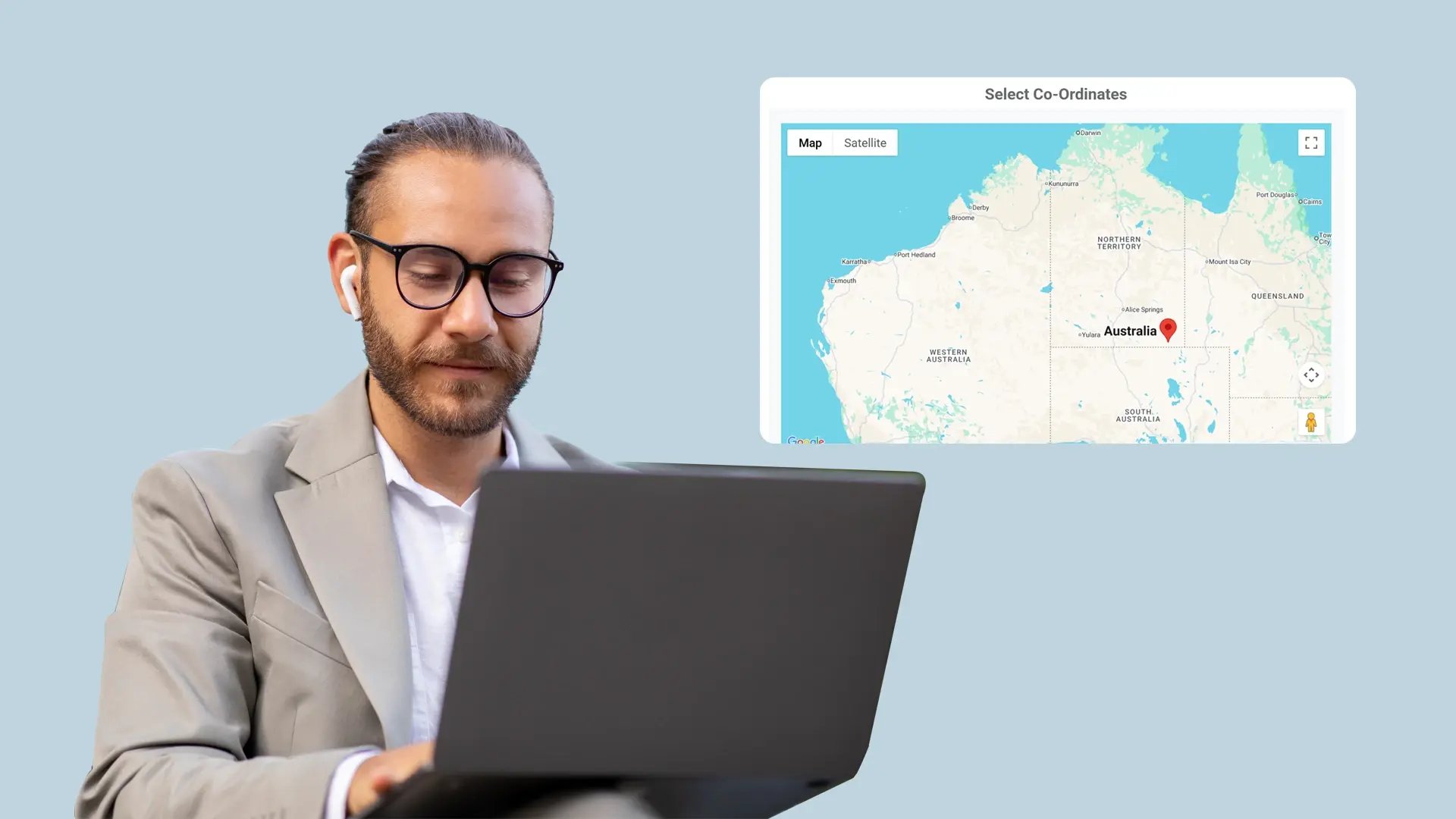
Reconstruct Incidents Using Location Context
Geo-spatial mapping allows reviewers to examine evidence in relation to physical locations. Viewing evidence on a map helps teams understand how incidents unfolded across different places rather than relying only on timelines or isolated recordings.
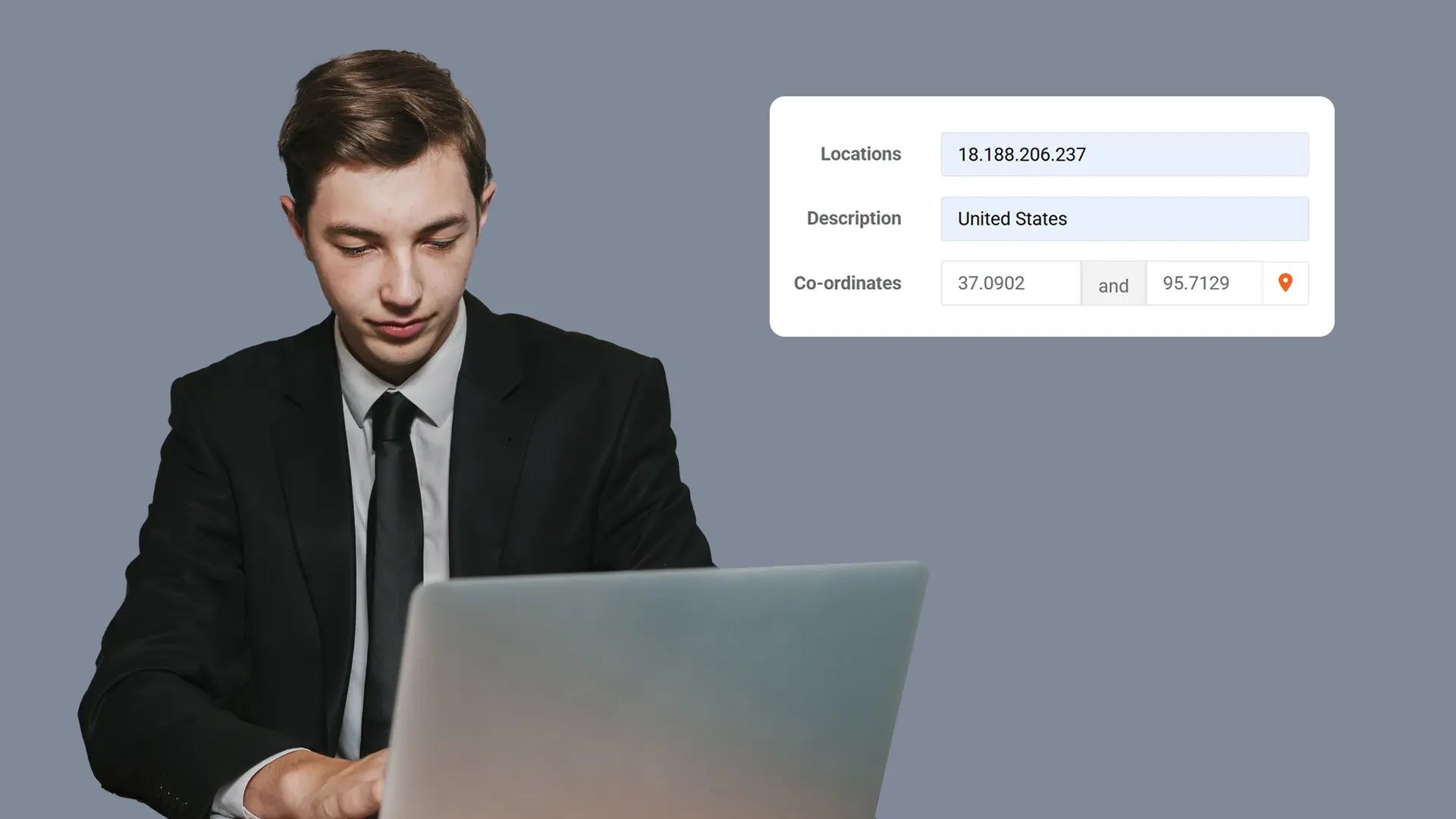
Add Spatial Awareness to Evidence Review
Incorporating maps into evidence review adds spatial awareness that complements traditional timeline-based review, helping teams better understand location-dependent events.
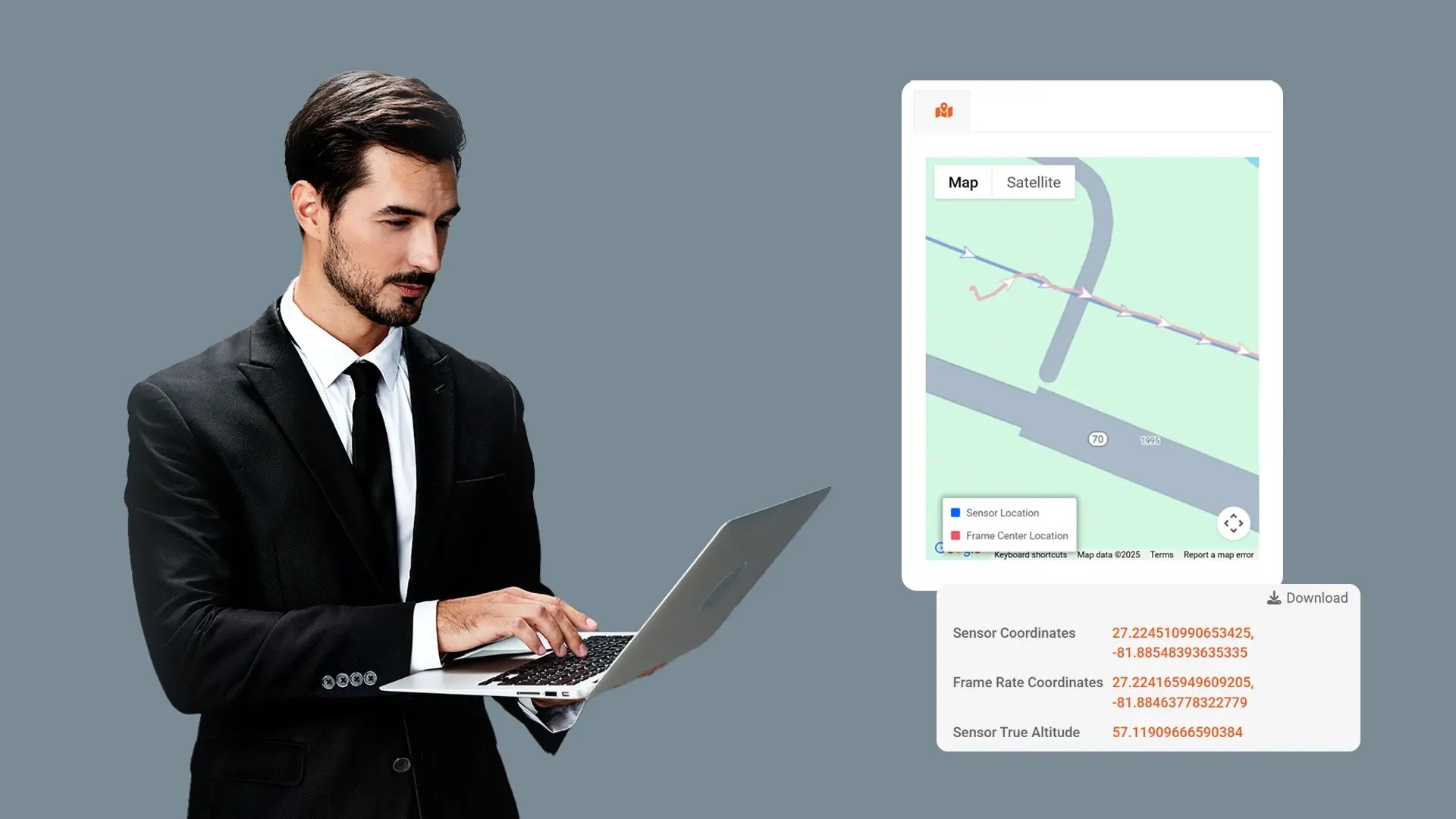
Improve Interpretation of Location-Based Evidence
Geographic overlays help reduce ambiguity when evidence involves multiple locations or dispersed activity. Seeing where events occurred supports more accurate interpretation during evidence review.
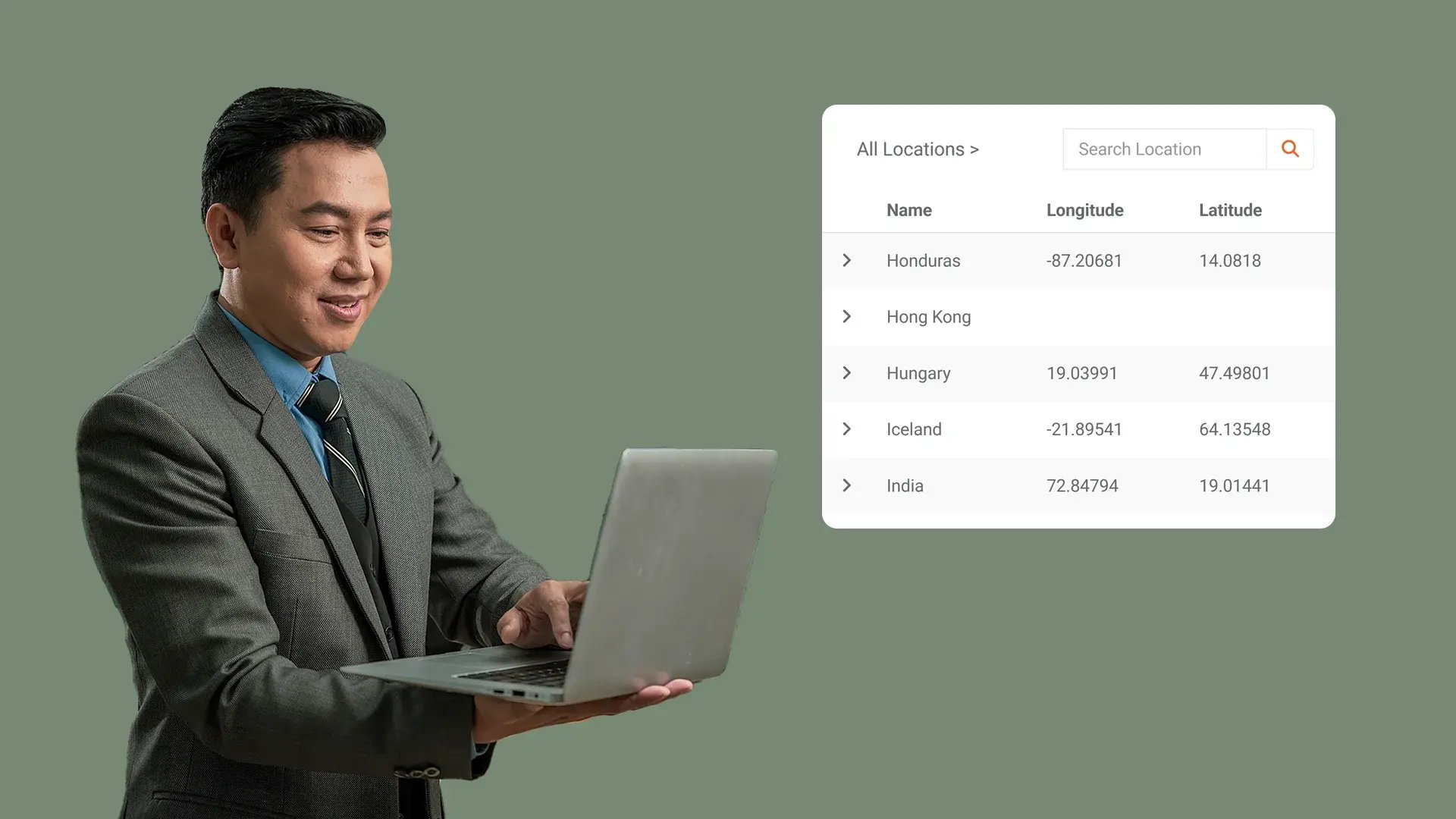
Correlate Evidence Using Location Context
Bring together recorded evidence from different sources by anchoring it to shared geographic locations, helping reviewers understand how separate recordings relate spatially within an incident.

Collect
Get evidence into your system. Upload files from any device or pull them in automatically from connected sources like bodycams or cloud storage.

Store
Keep all your evidence in one secure, central location. Organize it by case and control who can access it, with protection for sensitive information.

Review & Process
Work with your evidence. Use tools to search, analyze, annotate, and redact videos and documents right within the platform with your team.

Share & Preserve
Close the loop. Share finalized evidence securely with prosecutors or other agencies or archive it to meet long-term legal requirements.
