
Public Records Requests Are Piling Up. Manual Redaction Cannot Keep Up.
VIDIZMO Digital Evidence Management System eliminates the redaction backlog, standardizes exemption decisions, and produces a defensible disclosure record so your agency never misses a FOIA deadline.






Redaction Kills Deadlines
Federal agencies must respond within 20 business days. At scale, reviewing and redacting video, audio, and documents is almost always where timelines break down.

Inconsistent Redaction
Without standardized exemption codes, redaction decisions vary by reviewer. One missed disclosure or improperly applied exemption can expose the agency to legal challenge.

No Defensible Record
Sharing redacted files without a privilege log or audit trail leaves agencies unable to demonstrate compliance if a disclosure decision is challenged in court.

Bulk AI Redaction
Redaction in digital evidence management automatically detects and redacts faces, license plates, spoken PII, and sensitive text across every file type, tested at scale across 1.1M+ recordings.

Exemption-Based Redaction
Every redaction is tagged to the applicable FOIA exemption and stored on its own layer. Supervisors and DOJ adjudicators can review each decision without exposing the underlying content.

Auto-Generated Logs
The system produces a privilege log listing every withheld item, its exemption basis, and the reviewing officer automatically at the end of each review workflow. No manual documentation required.

Tracked Disclosure Links
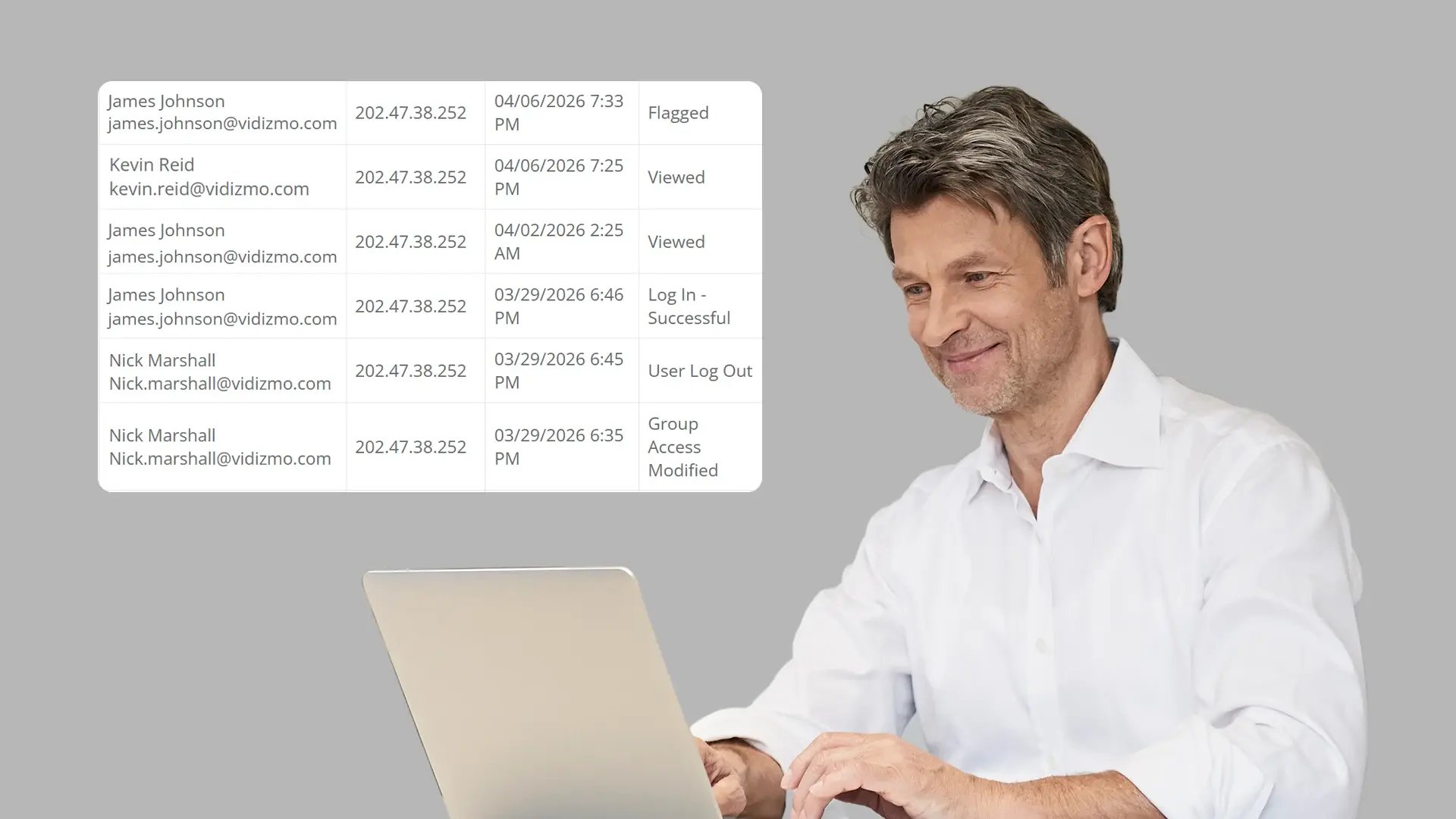
Every release is shared through per-user tokenized links with expiration dates and full access logs. Agencies know exactly who accessed a file, when, and how many times it was viewed.
Bulk Redaction
Process large batches of video, audio, images, and documents in a single workflow. Redaction runs overnight through a queue-based automation so agencies with high request volumes can clear entire backlogs without adding headcount. Tested at scale across 1.1M+ recordings.
PII Detection Across Every File Type
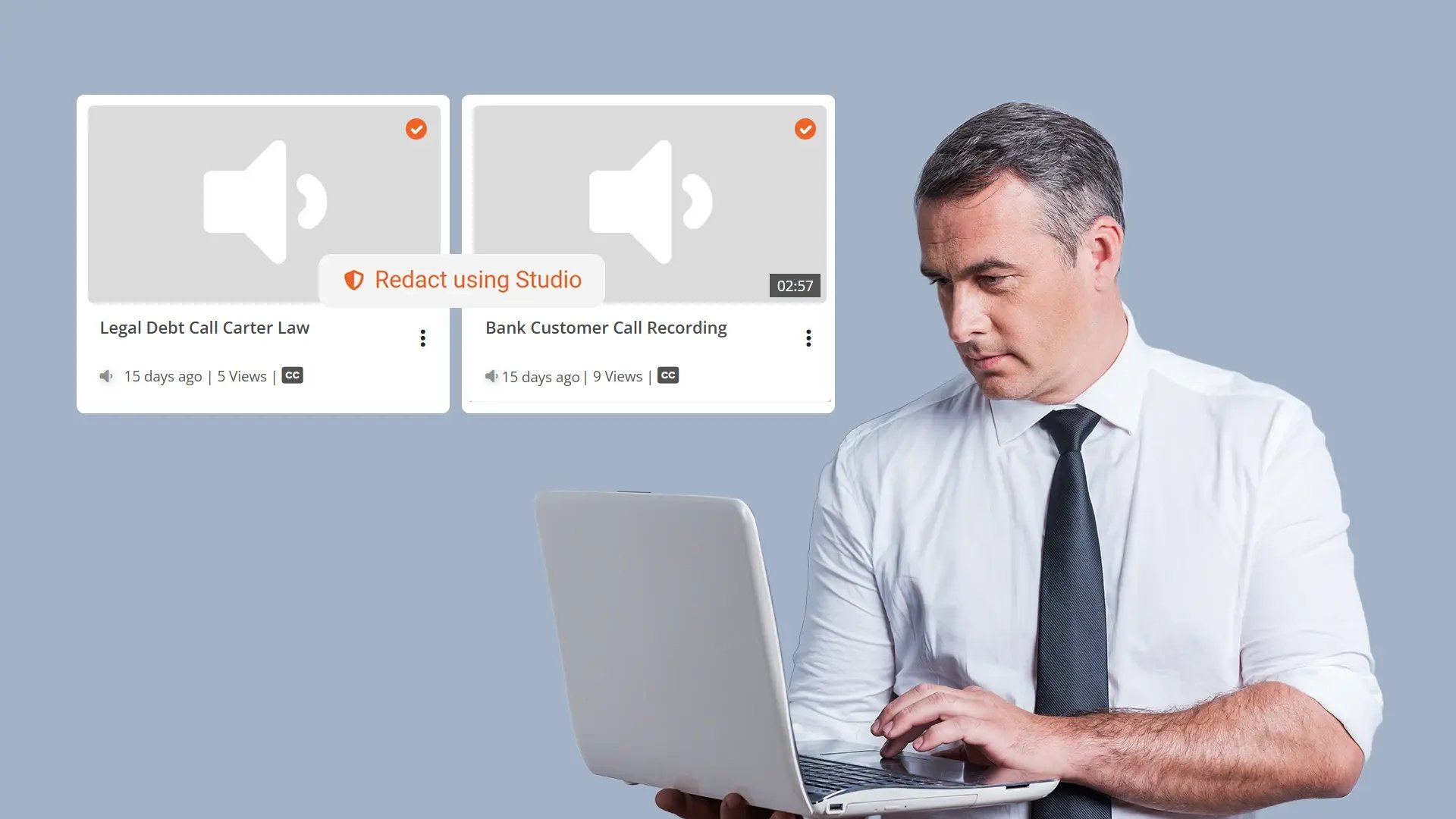
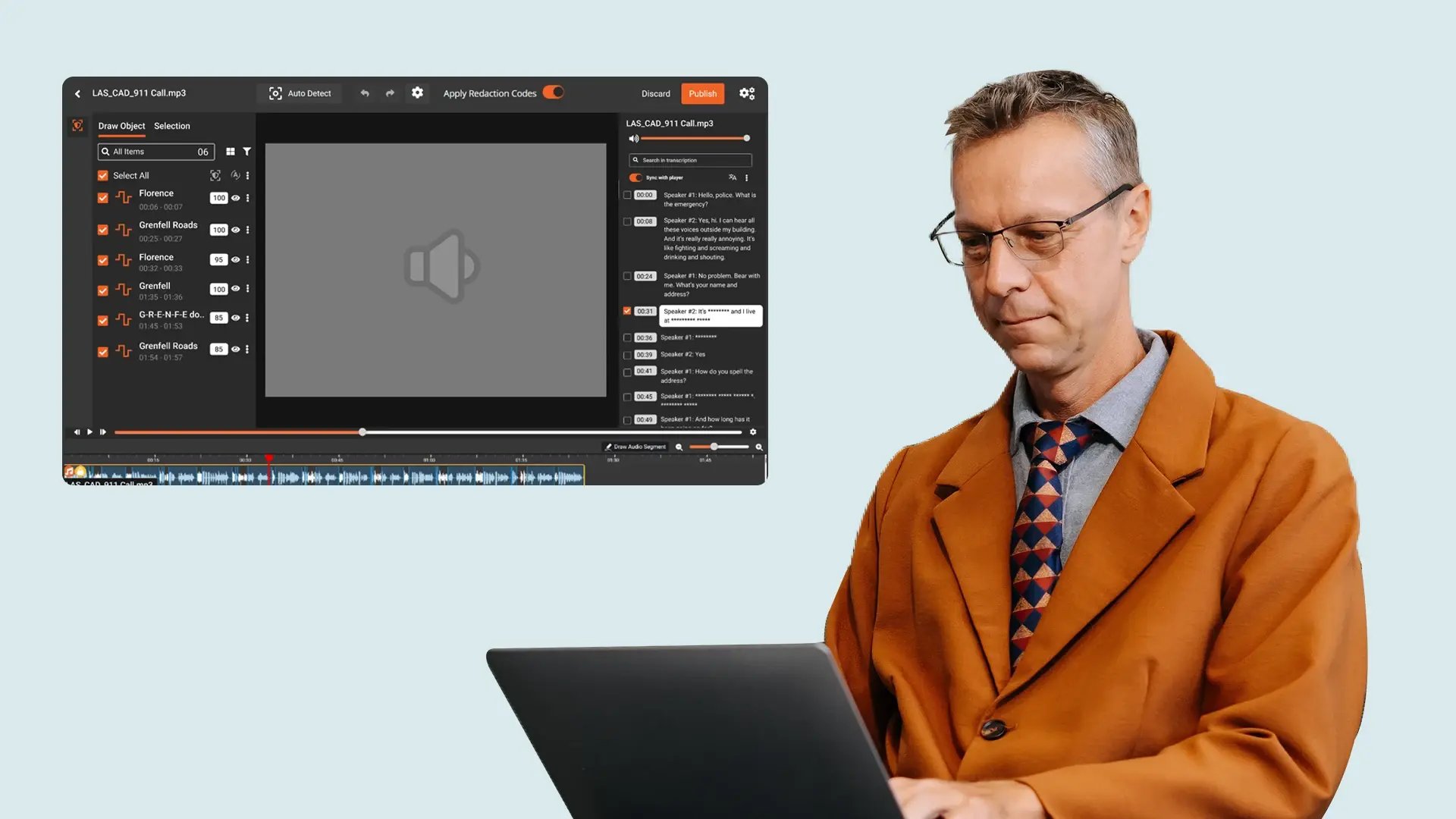
Automatically detect and redact sensitive information across video, audio, images, documents, and scanned PDFs. Spoken names, addresses, and ID numbers are caught across 33+ PII categories in 82 languages, while faces, license plates, and on-screen text are detected visually. Sensitive information is removed across every format without manual review.
Transparent Redaction Mode
Supervisors and legal counsel can review the content beneath redactions before approving any release, without exposing that content to the requester. This gives counsel a full view of what was withheld and why before the package leaves the agency. Every review action is logged with reviewer identity and timestamp, creating a complete approval chain that holds up if a disclosure decision is ever challenged.


Public Records Coordinators
The bottleneck is always redaction. DEMS automates detection across every format so officers spend time on judgment calls, not frame-by-frame review.

Legal Teams and Counsel
Privilege logs are auto-generated and exemption codes are applied at the point of redaction. Transparent redaction mode lets counsel review what was withheld before approving release.

Agency FOIA Directors
A single improper disclosure can trigger re-review, litigation, or OIG scrutiny. Every release is documented with an immutable audit trail showing what was redacted, by whom, and when.

FOIA Exemptions 1-9
Redaction codes are mapped to all nine FOIA exemptions. Every redaction decision carries its legal basis from review through disclosure.

CJIS Compliance
All records accessed, redacted, and shared through DEMS align with FBI CJIS Security Policy, including AES-256 encryption, TLS in transit, and immutable audit logging.

NARA Retention Alignment
Retention schedules are configured to NARA standards and enforced automatically, with a full disposal record available for audits and legal holds.

Body-Worn Camera Evidence Management Software
Manage body camera footage from any vendor in one CJIS-compliant platform. Automate intake, AI search, and keep files court-ready.

Secure Multi-Agency Evidence Sharing Software
Share evidence across agencies without breaking chain of custody. Isolated environments, full audit trails, and access controls on shared infrastructure.
Digital Evidence Management Lifecycle Software
Manage the full digital evidence lifecycle in one platform, from intake to disposal, with automation and a complete, court ready chain of custody.
