
By Ali Rind on March 26, 2026

Digital Evidence Management Systems have long been associated with law enforcement agencies managing body-worn camera footage and criminal case files. But corporate security managers, compliance officers, and risk teams inside enterprise organizations face a strikingly similar problem.
They generate substantial volumes of video, audio, and document-based evidence across workplace investigations, compliance audits, incident reviews, and regulatory inquiries. And they manage it with the same patchwork of shared drives, email threads, and siloed storage that law enforcement has been moving away from.
The difference is that most corporate teams do not realize a purpose-built evidence management platform exists for their use case. This blog explores why enterprise organizations outside law enforcement need a Digital Evidence Management System (DEMS) and how it maps to corporate security and compliance workflows.
Why Evidence Management System Is Not Just for Law Enforcement
The concept of digital evidence management originated in public safety. Police departments needed a way to ingest body-worn camera footage, maintain chain of custody, and share evidence with prosecutors. That origin story has created a perception that DEMS platforms are built exclusively for sworn officers and criminal justice workflows.
In reality, the core capabilities of a DEMS solve universal evidence problems:
- Centralizing mixed-format files (video, audio, photos, documents) in a single governed repository
- Maintaining tamper-proof audit trails for every file interaction
- Enforcing role-based access control so the right people see the right evidence
- Making large evidence libraries searchable through AI-powered indexing
- Automating retention and disposition policies based on regulatory requirements
These are the same challenges corporate security and compliance teams face daily. The difference is the regulatory framework (HIPAA, SOX, GDPR instead of CJIS) and the investigation context (workplace incidents instead of criminal cases). The underlying operational need is identical.
What Corporate Evidence Looks Like
Corporate evidence does not arrive in the form of body-worn camera clips. But it is just as varied, just as voluminous, and just as critical to protect.
Workplace Investigation Evidence
HR-initiated investigations into harassment, discrimination, workplace violence, or policy violations generate interview recordings, surveillance camera footage, email archives, chat logs, and witness statements. These files must be preserved exactly as collected and accessed only by authorized investigators.
Facility and Safety Incident Recordings
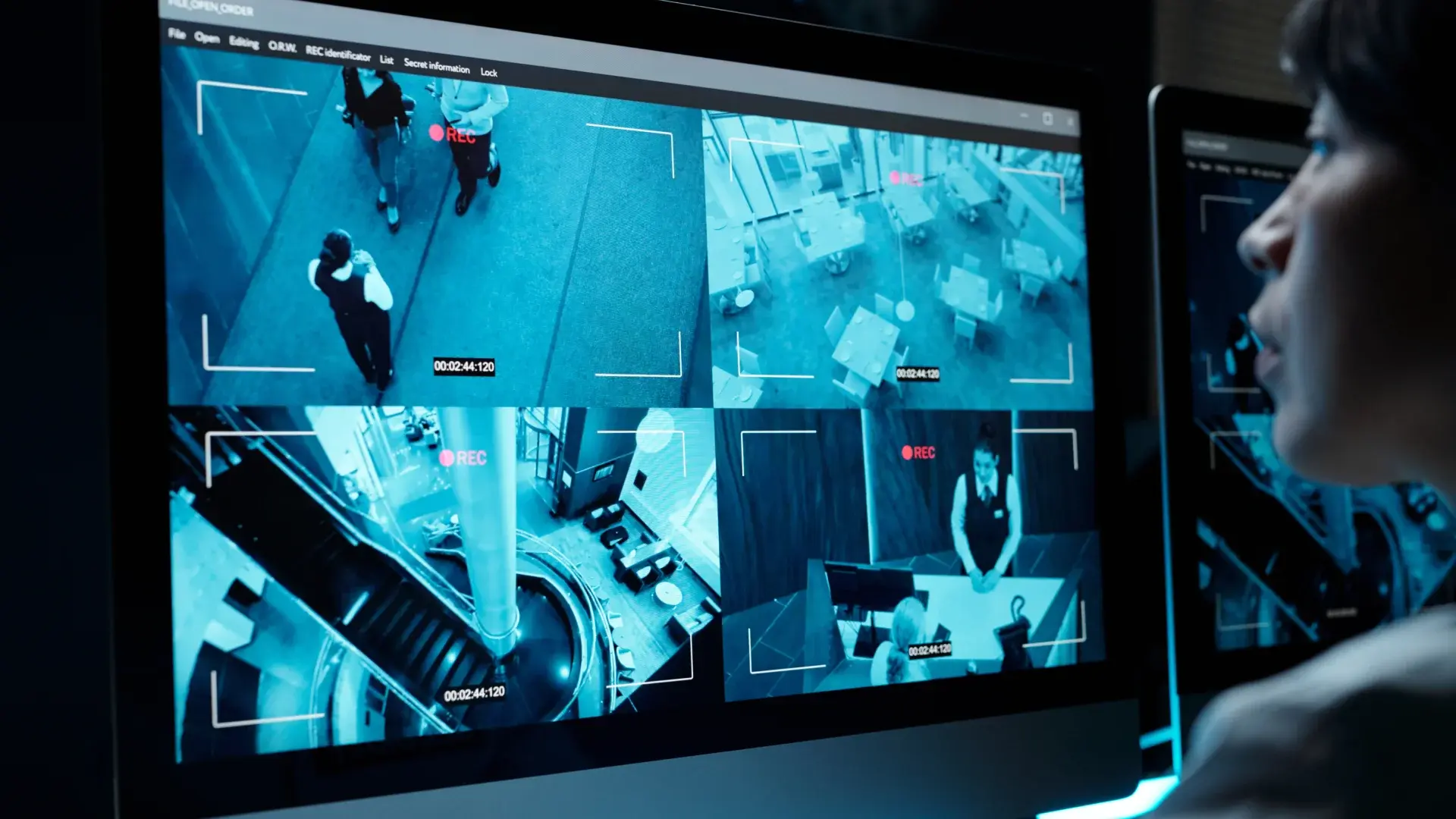
Manufacturing plants, warehouses, retail locations, and corporate campuses produce continuous surveillance footage. When an incident occurs, the relevant clips must be extracted, preserved with metadata intact, and made available to safety officers, legal teams, and insurance adjusters without breaking the chain of custody.
Compliance Audit Artifacts
Internal audit teams conducting SOX compliance reviews, anti-bribery investigations, or trade compliance checks collect transaction records, communication archives, recorded calls, and inspection documentation.
These artifacts must be organized by audit engagement, retained for the legally required period, and retrievable on demand for regulators. Proper compliance for evidence is essential to avoid regulatory penalties and maintain credibility.
Regulatory Response Documentation
When regulators (OSHA, SEC, EEOC, or data protection authorities) request documentation, organizations need to locate, compile, and produce evidence packages quickly. If that evidence is scattered across individual laptops, legacy file servers, and multiple cloud platforms, response timelines stretch and legal exposure increases.
Insurance Claims and Litigation Support
Slip-and-fall incidents, property damage, product liability, and workers' compensation claims all generate evidence that must be preserved, organized, and shared with legal counsel and insurance carriers.
Spoliation risk (the destruction or alteration of evidence) is a significant liability when files are stored in uncontrolled environments. Organizations handling litigation-related evidence can benefit from the same digital evidence management capabilities used in legal cases.
Key Challenges Corporate Teams Face Without a DEMS
No Chain of Custody
Shared drives and email do not log who accessed a file, when, or what they did with it. When workplace investigation evidence is stored on a manager's laptop or a departmental network share, there is no verifiable record of handling. Defense attorneys and regulators can challenge evidence integrity, and the organization has no documentation to respond with. Understanding the causes and consequences of a broken chain of custody highlights why this gap is so dangerous.
Siloed Storage Across Departments
Corporate security stores surveillance footage on one system. HR stores interview recordings on another. Legal stores litigation holds on a third. The compliance team uses yet another platform for audit documentation. No single team has visibility into the full evidence picture, and cross-functional investigations require manual evidence aggregation. Moving away from fragmented physical and digital storage is a critical first step toward operational efficiency.
Audit Trail Gaps
Most general-purpose storage tools (SharePoint, Google Drive, Box) provide basic access logs, but not the granular, tamper-evident audit trails required for evidentiary purposes. They do not generate cryptographic hashes at ingestion, do not support WORM (Write Once, Read Many) storage, and do not produce exportable chain-of-custody reports. Understanding why digital audit trails matter clarifies the gap between basic file logging and evidence-grade accountability.
Manual Retention Management
Different evidence types require different retention periods based on the regulatory context. Employment investigation records may need to be retained for three years under EEOC guidelines. Financial audit records may require seven years under SOX. Managing these timelines manually across disconnected systems leads to either premature deletion (legal risk) or indefinite retention (storage cost and data exposure risk).
Limited Search Capabilities
When a compliance officer needs to find a specific recorded interview from an investigation conducted eight months ago, they are often left searching through nested folder hierarchies by date and department name. Without AI-powered search, transcription, or metadata tagging, locating the right file in a large evidence library is slow and unreliable.
What Corporate Teams Need From a Digital Evidence Management System
Corporate security and compliance teams share many requirements with law enforcement, but they also have distinct needs shaped by their regulatory and operational context.
Evidence Integrity Without Criminal Justice Complexity
Corporate teams need tamper detection, audit logging, and chain-of-custody documentation, but they do not need criminal case management workflows, court calendar integrations, or prosecution-specific features. They need the evidence governance layer without the law enforcement operational layer.
Compliance Framework Flexibility
Law enforcement DEMS deployments are built around CJIS compliance. Corporate deployments need to support HIPAA for healthcare-related investigations, GDPR for data privacy incident response, SOX for financial audit evidence, and industry-specific frameworks. The platform must be configurable to different compliance contexts.
Cross-Departmental Access Control
In a corporate setting, evidence access must be controlled across security, HR, legal, compliance, and external parties (outside counsel, insurance adjusters, regulators). Portal-based multi-tenant architecture allows each department or investigation to operate within its own secure workspace with independent access policies.
Integration With Enterprise Systems
Corporate evidence does not exist in isolation. It connects to HR information systems, case management platforms, compliance tracking tools, and legal hold workflows. The DEMS must support integration paths that fit into existing enterprise infrastructure.
Global Deployment Options
Large enterprises operate across jurisdictions with different data residency requirements. GDPR requires that European employee investigation data may need to remain within the EU. The DEMS must support flexible deployment models, including SaaS, private cloud, on-premises, and hybrid configurations, to meet jurisdictional data requirements.
How VIDIZMO DEMS Maps to Corporate Security and Compliance Workflows
VIDIZMO Digital Evidence Management System provides the evidence governance infrastructure that corporate teams need, built on the same platform that serves law enforcement and government agencies but configurable for enterprise use cases.
Centralized repository with cryptographic integrity. All evidence types, from video surveillance clips to scanned documents, are ingested into a single platform through bulk upload, watch folders, or mobile upload. Every file receives a SHA-256 hash at ingestion, with WORM-enabled storage and comprehensive audit logging to ensure tamper-proof chain of custody.
AI-powered evidence intelligence. Transcription across 82 languages, object detection, speaker diarization, and natural-language search transform passive file storage into a searchable, active evidence platform.
Portal-based multi-tenant architecture. Separate portals let corporate security, HR, legal, and compliance teams operate in fully segregated workspaces. External parties receive time-limited access through expiring URLs, enabling organizations to share evidence securely without compromising internal controls.
Flexible deployment and automated retention. VIDIZMO DEMS supports SaaS, private cloud, on-premises, and hybrid deployment models to meet data residency obligations under GDPR or industry-specific regulations. Configurable retention policies automatically enforce preservation periods and flag files for disposition when the retention window expires.
Why Corporate Evidence Deserves the Same Rigor as Criminal Evidence
The consequences of mishandled corporate evidence are real. Workplace investigation recordings that cannot be authenticated get challenged in litigation. Compliance audit artifacts stored on personal devices get lost when employees leave. Regulatory response packages assembled from scattered sources take weeks instead of days, increasing legal exposure with every delay.
Law enforcement solved these problems years ago by adopting purpose-built evidence management platforms. Corporate security and compliance teams generate evidence that carries the same legal weight and the same integrity requirements. They deserve the same infrastructure.
VIDIZMO DEMS provides that infrastructure: a centralized, AI-powered, compliance-ready platform that governs every piece of corporate evidence from the moment it is captured through its final disposition.
Request a demo to see how VIDIZMO Digital Evidence Management System supports corporate security and compliance evidence workflows.

About the Author

Jump to

CCTV Footage as Legal Evidence: Management, Search, and Admissibility
Top 5 Electronic Evidence Management Software in 2026 (Compared)


No Comments Yet
Let us know what you think